The Sacred Legacy: A History of the Temple of the Tooth
The Sacred Legacy: A History of the Temple of the Tooth
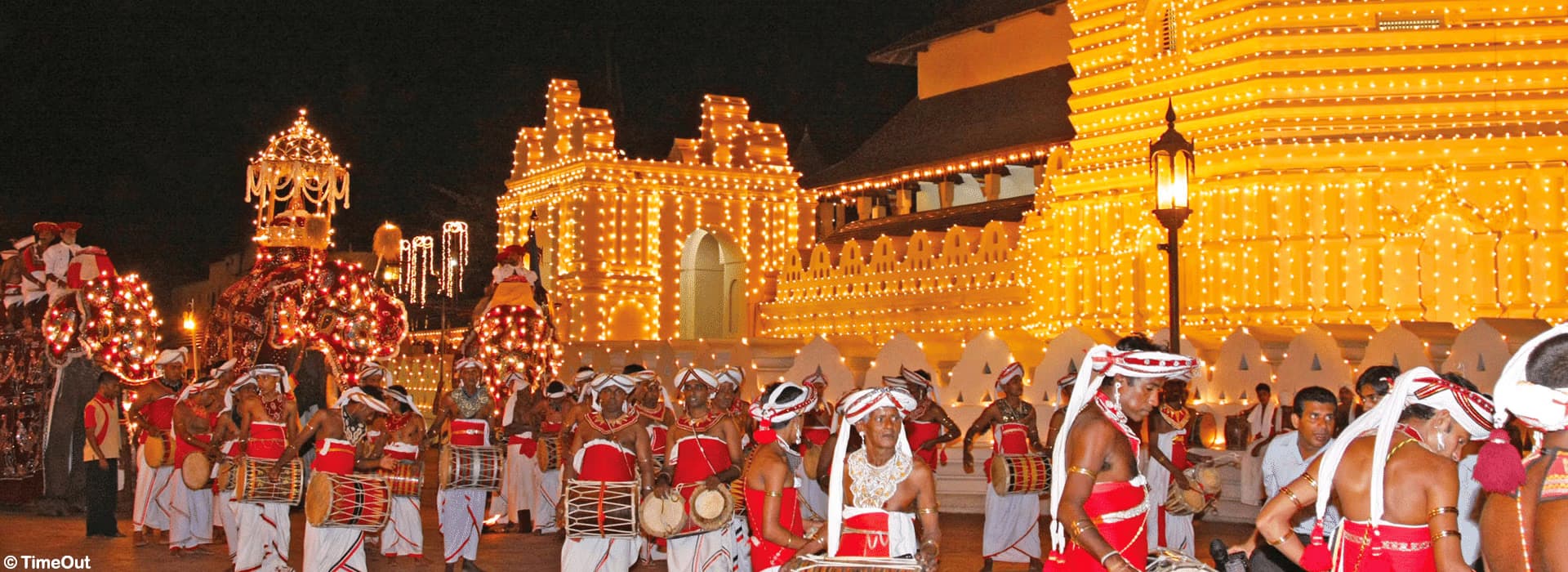
The Sri Dalada Maligawa, or the Temple of the Sacred Tooth Relic, is more than just an architectural masterpiece; it is the spiritual heartbeat of Buddhist Sri Lanka. Located within the royal palace complex of the former Kingdom of Kandy, the temple houses the legendary tooth relic of Siddhartha Gautama, the Lord Buddha.
The Journey of the Relic
The history of the sacred tooth is a saga of devotion, war, and political power. According to legend, after the Buddha was cremated in Kusinara (modern-day India) in 543 BC, his left canine tooth was retrieved from the funeral pyre. The relic was eventually smuggled into Sri Lanka in the 4th century AD by Princess Hemamali, who hid it within her hair, accompanied by her husband, Prince Dantha.
For centuries, the possession of the Tooth Relic was intrinsically tied to the right to rule the island. Whoever held the relic held the nation. Consequently, the relic was moved numerous times to protect it from invading forces, finding homes in ancient capitals like Anuradhapura, Polonnaruwa, and Dambadeniya, before finally resting in Kandy.
Building the Maligawa
The original temple in Kandy was built by King Vimaladharmasuriya I in 1595. Over the centuries, subsequent kings made additions and restorations, particularly King Sri Wickrama Rajasinghe, who built the iconic octagonal pavilion known as the Pattirippuwa. This structure, originally used by the king to address his subjects, is now a defining silhouette against the Kandy skyline.
Architecture and Rituals
The temple's architecture is a stunning representation of traditional Kandyan design, featuring intricate wood carvings, painted ceilings, and doorways adorned with silver and ivory.
The relic itself is kept in the inner chamber, encased within seven nested caskets shaped like stupas and adorned with precious gemstones. While visitors cannot see the physical tooth, they can partake in the Thewava—the daily rituals performed by monks. During these ceremonies, the hypnotic beat of the Hewisi drums fills the temple, creating an atmosphere of intense devotion.
The Temple of the Tooth is not just a relic of the past; it is a living, breathing testament to a faith that has shaped the island's destiny for over two millennia. To explore this spiritual site on our custom itineraries, check out our Elite Journeys or contact our careers page if you are interested in leading these historical tours.
Inspired by our collection?
Each article in our journal is a glimpse into the bespoke experiences we curate.
Let us architect your own Sri Lankan legacy.